
SEO Strategy
Why a spiritual shop can need outside mentions before it needs more content
Sep
When the shop is clear, but the wider web is not
A spiritual shop can publish thoughtful product pages, service descriptions, and educational content, then still feel oddly quiet. Visitors land on the site, understand the offer, and hesitate because they cannot find many trustworthy references to the brand anywhere else.
That hesitation is not always a content problem. Sometimes the site is doing its job, but the surrounding web is too thin. For spiritual, ritual, metaphysical, and energy work businesses, that gap can matter because people often look for signs of legitimacy before they commit.
External visibility is the missing layer. It is the set of mentions, references, and contextual placements that help a brand feel established outside its own pages. Oltora’s External Visibility SEO Service for Spiritual & Ritual Shops is built around that idea: manual research for relevant websites, brand mention opportunities, and external placement options that can support trust and referral discovery.
Think of visibility as three separate parts
When a business tries to build off-site visibility, it helps to separate the work instead of treating it as one vague SEO task.
- The source is the external website or placement where your brand may appear.
- The mention is the way your brand or page is referenced in that context.
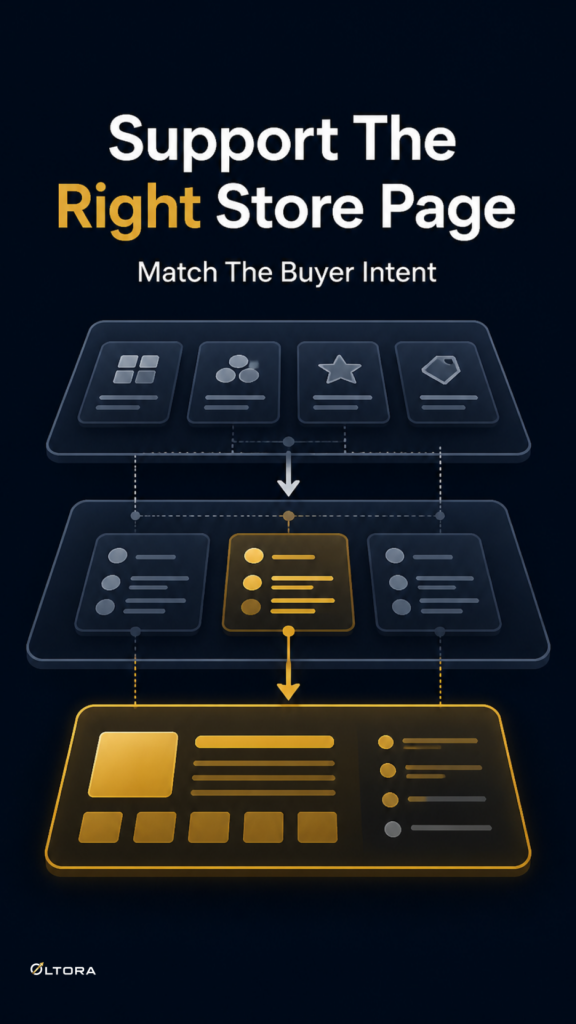
- The destination page is the page you want that attention to support.
If those three parts do not fit together, the result can look busy without helping the reader. A mention on the wrong type of site can feel forced. A strong reference to the wrong page can send visitors somewhere too broad. And a good destination page with no outside context may still feel isolated.
That is why external visibility is not the same thing as publishing more on your own site. On-site content explains the offer. External placement helps other people find it, recognize it, and trust that it belongs in the niche.
Relevance matters more than volume
It is easy to assume that more mentions will solve the problem. Usually, they do not.
A useful external placement has to make sense to a real reader. The surrounding site should be relevant enough that the mention feels natural. The topic should connect to your brand without strain. And the reference should support the page you actually want people to reach, whether that is a homepage, a service page, a product collection, or a specific offer.
For example, a spiritual shop does not need a scattered trail of random references. It needs thoughtful placement around pages that already deserve attention. That might mean supporting the homepage when the brand itself needs clearer recognition. It might mean supporting a service page when the business wants stronger trust around a practitioner offer. Or it might mean choosing a collection page when the products are easier to understand as a group than one at a time.
Manual research is what keeps that decision grounded. Oltora’s service specifically looks for relevant websites and external placement options rather than relying on automated shortcuts, link farms, or mass submissions.
What the wider web can do that your site cannot do alone
Your site can explain what you offer. It cannot, by itself, create outside confirmation.
That outside confirmation matters for two practical reasons. First, it gives cautious visitors another signal that your business exists in a real niche and is not only speaking about itself. Second, it can create referral discovery from places that already reach people interested in related topics.
That does not mean every placement has to be dramatic. A plain, contextually appropriate reference on a relevant site can be enough to improve the shape of the brand’s public footprint. The goal is not to make the web look crowded. The goal is to make the brand easier to recognize and easier to trust.
Choose the page before you choose the placement
One common mistake is starting with the opportunity instead of the page.
If you do not know which page deserves support, outside visibility becomes vague. The reference may still exist, but it will not have a clear job. That usually leads to placements that sound too broad or landing pages that do too much work at once.
A better order is:
- decide which page needs help most;
- check whether that page explains itself clearly;
- look for external sites where a natural mention would fit;
- match the wording and context to the page’s purpose.
This is the architecture behind the service. The work is separated into review, research, and placement planning so each part can be judged on its own. That matters because external visibility only helps when the page, the mention, and the source all support the same intent.
What a careful manual process avoids
Spiritual and ritual businesses are especially vulnerable to noisy off-site work. A brand can look more active for a moment and still end up with placements that do little for trust.
A careful manual process avoids that risk by focusing on fit. It does not treat every website as interchangeable. It does not chase volume for its own sake. And it does not assume that any mention is automatically useful.
Instead, it looks for contextual placements that can help a real reader understand the brand. That may involve a homepage mention, a service reference, or attention to a product or collection page. The point is to build a more complete presence around the site, not to bury the business in unrelated mentions.
When this kind of work is the right next step
This approach makes sense when the site already carries meaningful offers but still feels isolated. It is useful when people need more than the site itself to feel comfortable. And it is especially relevant when you want off-site work that stays clean, relevant, and sustainable.
That is the real value of external visibility work: not louder promotion, but a clearer public footprint. For a spiritual or ritual brand, that can be the difference between a page that simply exists and a page that is easier to find, easier to trust, and easier to recognize from the wider web.