
SEO
How Manual Reference Reports Prove Organic Stability for Spiritual Shops
Oct
When establishing a spiritual or ritual online business, ensuring your catalog is visible requires more than publishing optimized product descriptions. As a site grows from an initial setup into a more structured operation, store owners often rely on outside mentions to help search engines verify their brand. Yet when off-site visibility work is complete, knowing how to interpret the final documentation matters just as much as securing the placements. This workflow is available in External Visibility SEO Service for Spiritual & Ritual Shops.
That verification process is central to the External Visibility SEO Service for Spiritual & Ritual Shops. Rather than guessing whether external references were built safely, store operators receive structured records that document completed work. Understanding how to read those final files transforms raw placement lists into a reliable operational baseline.
What a Completion Report Actually Documents
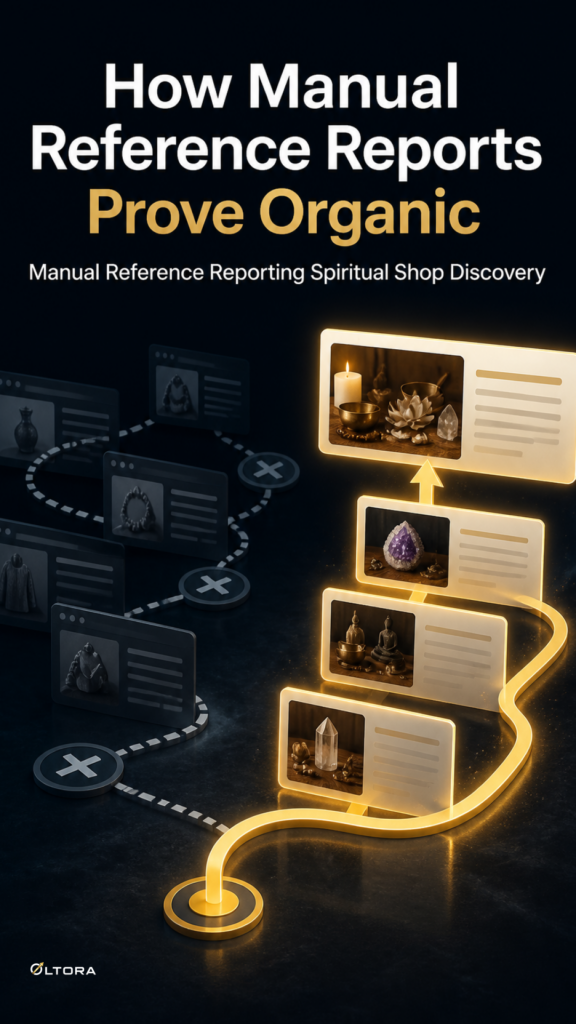
A professional delivery record does more than list URLs. During initial setup, a trustworthy completion report acts as a verifiable map of your brand’s external footprint. It connects each external reference directly to your target destination page—whether that is your homepage, a core service collection, or a specialized ritual category.
When reviewing your completion documentation, look for clear alignment across three distinct operational layers:
- The Source Property: The external website hosting the mention. It should belong to a relevant niche where your brand context feels natural to a real reader.
- The Reference Context: The surrounding text and editorial framing that introduces your metaphysical shop, tarot practice, or energy work service.
- The Destination Page: The specific URL on your WordPress site designed to receive that referral traffic and authority signal.
Distinguishing Manual Outreach From Fragile Shortcuts
As store owners scale their online presence, distinguishing between sustainable growth and automated shortcuts prevents unexpected search volatility. Automated link networks and mass-submission tools often generate erratic spikes that degrade over time. Conversely, manual research relies on contextually appropriate placements that respect search engine guidelines.
A reliable completion report reflects this manual approach by showing deliberate targeting. Because the service relies on manual research, outreach, and reporting rather than automated spam, link farms, or mass-submission shortcuts, every documented entry corresponds to a specific human outreach effort. Reviewing these entries helps you confirm that your off-site growth remains steady and defensible as your brand expands.
Managing Policy-Safe Disclosures and Ongoing Visibility
As your spiritual or ritual brand matures, maintaining transparency around digital partnerships becomes essential. Where a mention, reference, or external visibility opportunity is sponsored or requires disclosure, it should be handled in a transparent and policy-safe way. Reviewing your completion records with these disclosure standards in mind ensures your external footprint remains clean and compliant.
Ultimately, treating your final reference report as an operational baseline gives you clear visibility into how your off-site discovery is structured. By verifying target pages and checking contextual fit, you can maintain long-term confidence in your store’s external authority without relying on automated guesswork.