
SEO & Link Building
Store pages that need support: ecommerce growth SEO and backlink planning
Jul
Store owners often assume visibility problems come from the whole site. More often, one page is carrying the pressure while the rest of the store stays too broad. Ecommerce growth SEO and backlink support works best when it is aimed at the page that needs a clearer path to search visibility, relevance, and referral traffic.
That is the practical value of a page-first approach. If an Etsy shop, Shopify store, or WooCommerce site has a product page that already answers a real buyer need, it may deserve more than a homepage mention. It may need contextual support from relevant content so that the page itself becomes easier to understand, easier to trust, and easier to reach.
Oltora’s E-Commerce Growth — SEO & Backlink Service for Online Stores is built around that kind of support: relevance-based links and SEO help for online stores that want stronger search visibility and referral traffic.
Start with the page, not the store
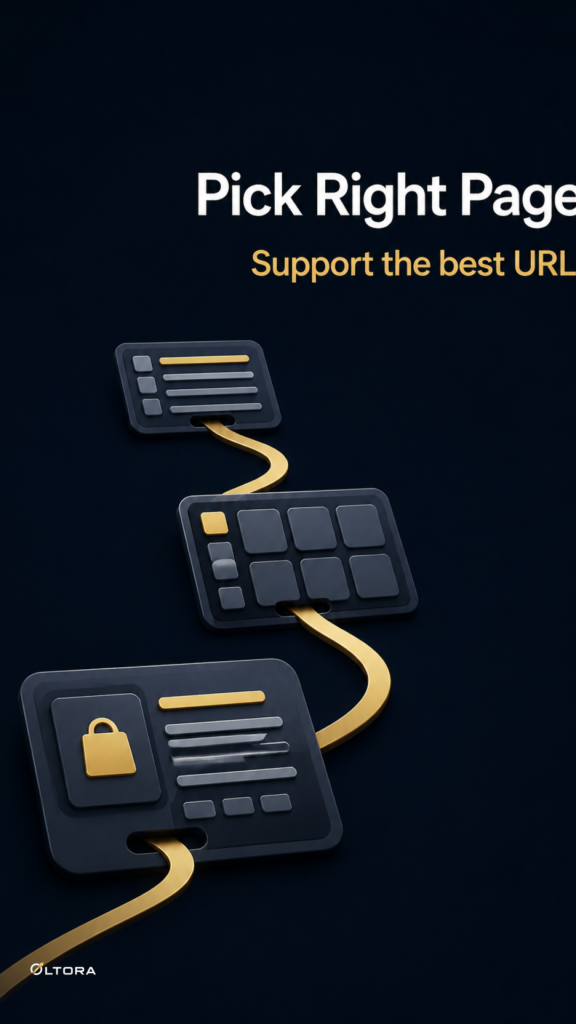
The first decision is simple: which page should benefit most? A homepage can be useful, but it is often too general when a specific product or category page is the real business goal. A more focused URL can usually make better use of a relevant mention because the content, intent, and destination line up more closely.
For an online store, that often means choosing between a homepage, a product page, and a category page. The right answer depends on what you want the visitor to do next. If the page is meant to explain a product clearly and move the reader toward purchase, it deserves support that matches that purpose. If the page is a category page that organizes several related items, the link should fit that broader theme.
ecommerce growth SEO and backlink support works best with clear context
Context matters because a backlink does more than send a visitor. It also tells search engines something about the page being linked. When the surrounding article, paragraph, or recommendation fits the destination, the link looks more natural and can contribute stronger trust signals.
That is why relevance should guide placement. A link from unrelated content may still exist, but it usually does less for the reader and less for the page it points to. A contextual placement on a real, relevant website gives the page a better chance to attract qualified referral traffic, since the person clicking is already reading about a related topic.
For stores, this is especially useful when a product page is strong but under-supported. A clean description and useful visuals are only part of the job. If the page lacks external references, it may remain hard for search engines and shoppers to place in context. Support can help close that gap without forcing the page to do everything on its own.
Choose the URL that can use the visit
Not every page should receive the same attention. A URL that already has a clear purpose and a good chance of converting the visitor usually deserves priority over a vague or catch-all destination.
Ask three practical questions:
- Does this page explain the offer clearly?
- Does it match the topic of the referring content?
- Will a visitor landing here understand the next step?
If the answer is yes, the page is a better candidate for support. If the page still feels thin, disorganized, or disconnected from the surrounding content, it may need more basic work before external links can do much.
Use support to strengthen one page’s job
Store owners sometimes spread attention too evenly. That can leave the page with the best commercial intent waiting for help while weaker pages absorb the available effort. A better approach is to identify the one page that matters most right now and support it with relevance.
This matters when a store has several possible goals. A new collection may need visibility. A best-selling product may need stronger search signals. A category page may need to be easier to discover. The page that should receive support is the one tied most directly to the next useful action.
That is also where a relevance-based service can be more useful than generic promotion. The goal is not to send random attention across the site. The goal is to reinforce the page that can use that attention well.
Match referral traffic to buyer intent
Referral traffic is only valuable when the reader is likely to care about what they find. A contextual link placed around a related topic can bring in visitors who already understand the general problem or product type. That makes the click more useful than a loose mention buried in an unrelated page.
For online stores, that matters because the click should feel like a continuation of the conversation. A reader learning about a product category should land on a page that continues that same topic. The more closely the link and destination match, the more natural the visit feels.
If you are deciding where to invest support, choose the page that deserves to be seen and the page that can make the click useful. That is the logic behind ecommerce growth SEO and backlink planning: support the right URL, place it in the right context, and let the page do a better job for both search engines and shoppers.