
SEO & Link Building
Creator visibility audit for backlinks
Jul
Creator visibility audit is the right starting point when a YouTube channel or Spotify profile has activity, but the next step feels unclear. Maybe people are watching, listening, or clicking through, yet the page still does not give a clean answer about what deserves support. Before you ask for outside placements, it helps to check whether the destination page already communicates a focused topic, a consistent identity, and a reason for referral traffic to land there.
That is where a relevance-based approach can make the difference. Oltora’s Creator Growth — YouTube & Spotify Visibility Backlinks service is designed for creators who want stronger off-page visibility and referral traffic, but it works best when the page itself is worth strengthening. If the page is still too broad, too thin, or too hard to read, backlinks can feel like support aimed at the wrong place.
Creator visibility audit starts with the page, not the link
The most useful audit question is simple: if someone lands here from an external mention, will they understand what this page is for?
That question matters because external support does more than send traffic. It can also reinforce how a page is interpreted. For a creator, that usually means one of two destinations: a YouTube channel page or a Spotify artist profile. Each one can serve a different purpose, but neither benefits from vague positioning. If the page is meant to grow an audience, it should feel like a real destination, not just a public container for uploads.
A creator visibility audit helps you check for a few basic signals:
- Is the channel or profile clearly tied to one creator identity?
- Does the page make it obvious what kind of content or music it represents?
- Is there enough consistency for referral visitors to know they reached the right place?
- Would a contextual mention strengthen the page, or would it simply add noise?
Those checks are practical because they separate page readiness from promotional enthusiasm. A creator can have a strong release, a good video, or a solid profile image and still need clearer off-page support around the page that matters most.
Signs the page is ready for support
A page is usually ready when its role is easy to explain in one sentence. That does not mean it has to be perfect. It means the destination has enough definition that outside placements can point to it with intent.
For a YouTube channel, readiness often means the channel page feels like the main home for the creator’s work. For a Spotify artist profile, readiness means the profile can carry the artist identity in a way that supports discovery and future referral traffic. In both cases, the audit should ask whether the page is already the best place to send someone who wants to learn more.
If the answer is yes, relevance-based placements may help strengthen off-page visibility. If the answer is no, the better move is to improve the page first. A link can amplify a clear destination. It rarely fixes a destination that still feels unfinished.
Creator visibility audit before outreach
Another useful check is whether the page has enough focus to justify outreach at all. A creator visibility audit before outreach is not about chasing more mentions. It is about making sure any external support can be connected to a real destination that already deserves attention.
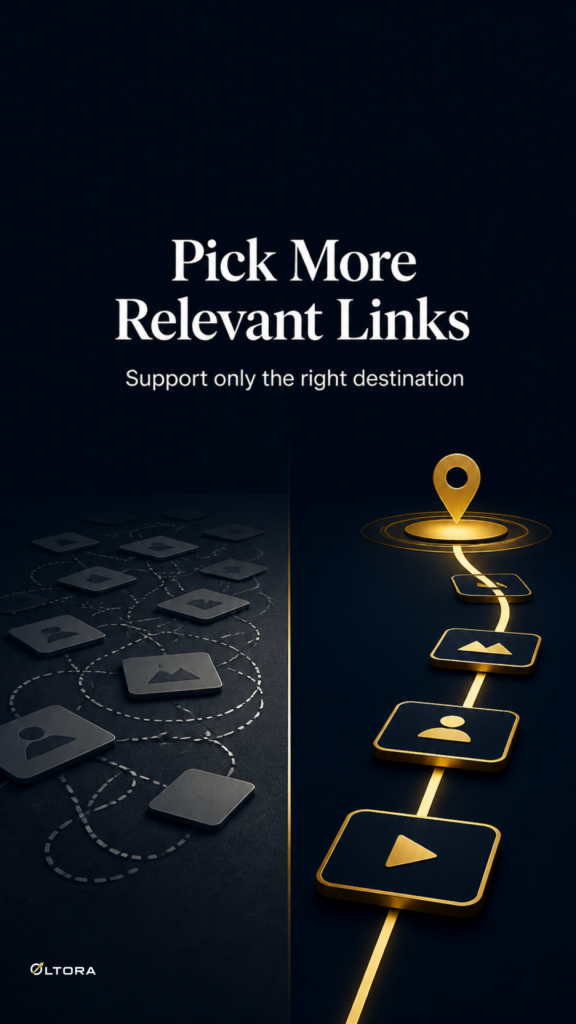
That perspective keeps the work specific. Instead of asking, “How do I get backlinks?” ask, “Which page should outside references support, and why?” Once that is clear, the rest of the decision becomes easier:
- Use the channel or profile that carries the strongest creator identity.
- Choose the page that already aligns with the audience you want to reach.
- Avoid spreading support across pages that do not yet have a clear role.
This is also where a relevance-based service makes more sense than broad, untargeted promotion. Context matters. A placement that points to the right creator page can help reinforce visibility in a way that feels coherent to both users and search engines. A random mention without a clear destination does less work.
What to fix before you ask for external support
If the page feels weak, the audit should tell you why. Common issues are usually structural, not dramatic. The page may lack a clear identity, or it may present too many mixed signals about what the creator does. Sometimes the problem is simply that there is not enough context for a visitor to understand why the page exists.
Before you request backlinks or referral placements, look for the parts of the page that need cleaning up:
- Unclear creator name or profile presentation
- Inconsistent focus across content or releases
- Weak page context for a first-time visitor
- Uncertain relationship between the page and the audience you want to attract
Those fixes are not glamorous, but they reduce friction. They also make external support more meaningful because the destination is easier to read. That is the difference between simply collecting references and building a page that can absorb them well.
Once the destination is clear, relevance-based backlinks can support a more specific goal: stronger off-page visibility for the page that already carries the creator’s identity. That is a cleaner use of the work and usually a better one.
Use the audit to choose the next move
A creator visibility audit should leave you with a decision, not just observations. Either the page is ready for external support, or it needs one more round of cleanup before outreach makes sense. Both outcomes are useful.
If the page is ready, supporting it with relevant placements can help direct attention to a destination that already deserves it. If it is not ready, the audit keeps you from sending support to a page that still needs direction. That saves time and keeps the strategy honest.
For creators who want outside visibility to work harder, the sequence matters: clarify the page, confirm the destination, then support it with context. The order is what makes the effort feel deliberate instead of scattered.