
SEO Strategy
How to Judge Whether Off-Site Mentions Will Help a Spiritual Brand
Aug
If your site already explains what you offer, the next frustration is often quieter: people still do not seem to find the brand anywhere else. For spiritual and ritual businesses, that gap can make a good site feel unverified. A visitor may like the products or services, then pause because the wider web offers too few clues that the brand has a real presence.
The usual response is to chase more mentions. That is where many businesses lose focus. A mention only helps when it makes sense to a real reader, fits the niche, and sends the right kind of signal about the page it points to. For a spiritual shop, tarot site, astrology brand, or energy work business, the question is not whether external visibility matters. The question is how to judge which outside references are actually worth pursuing.
What an outside mention is really doing
An external mention can do more than send traffic. It can help a reader understand that your brand belongs in a real category, not just on your own website. That matters when your audience is cautious. People looking at spiritual or ritual offers often want reassurance before they click, buy, or reach out.
Search engines read the web in a similar way. They do not rely on one page alone. They also look at surrounding signals: which sites mention the brand, how naturally the reference appears, and whether the destination page matches the context around it. When those signals line up, the brand is easier to discover and easier to trust.
The three checks that separate useful mentions from noise
Before you pursue any placement, it helps to ask three simple questions.
- Does the source fit the niche? A relevant website is easier to trust than a random directory or unrelated page.
- Does the mention read naturally? If the reference feels forced, readers notice that quickly.
- Does the target page deserve the attention? A homepage, service page, product page, or collection should be specific enough to support the mention.
These checks are practical, not abstract. If a ritual brand is mentioned on a site that discusses related topics, and the reference leads to a page with a clear purpose, the placement can support both discovery and trust. If the fit is weak, the mention may add little beyond a link count.
Why the destination page matters as much as the source
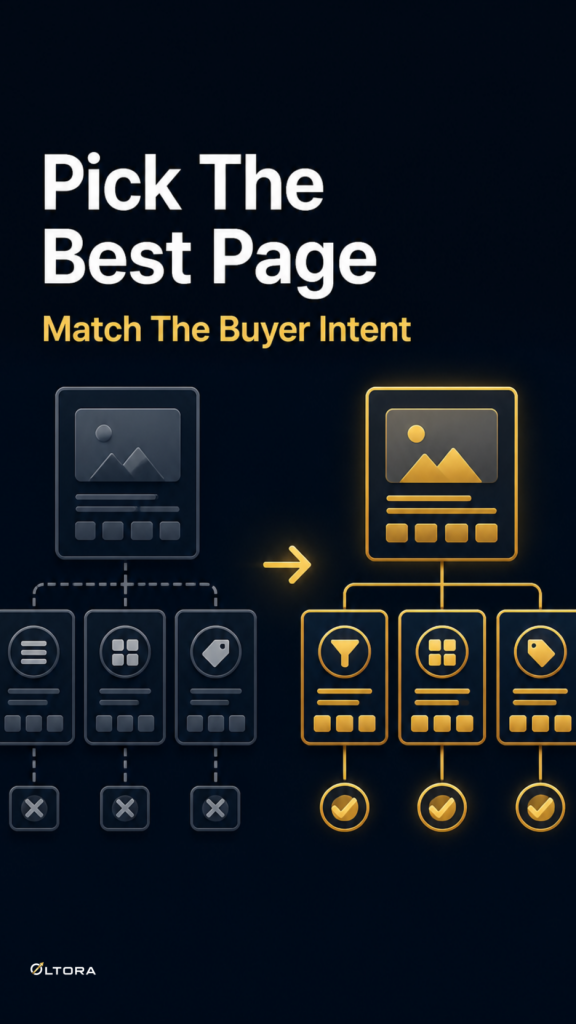
One mistake is treating every mention like it should point to the homepage. That can work in some cases, but it is not always the best choice. A useful mention should support the page that already carries one clear job.
For example, if the goal is to introduce a specific crystal collection, the destination should help a visitor understand that collection without extra digging. If the goal is to support a services page for an energy work practice, the page should explain the offer plainly enough that the outside reference does not have to do all the work.
This is where external visibility becomes a page-level decision, not just a brand-level one. The right mention supports the right URL. The wrong one may create attention without helping a visitor move forward.
What to look for before you ask for outreach
Manual research makes a difference because it keeps the process grounded in fit instead of volume. When reviewing opportunities, look for signs that a placement would feel natural to an actual reader:
- the site covers related themes or audiences
- the surrounding content gives the mention a real reason to exist
- the brand can be introduced without sounding promotional or out of place
- the destination page is specific enough to justify the reference
This is also where sponsored or disclosure-required placements need care. A legitimate mention can still be transparent. The point is not to hide the relationship. The point is to make sure the visibility opportunity is honest, relevant, and policy-safe.
How this connects to a wider visibility strategy
For a spiritual or ritual business, outside mentions are most useful when they support a broader pattern. One good reference can help a page feel more grounded. A few relevant references can help a brand look established in the spaces where your audience already pays attention. Over time, that can support referral discovery and stronger off-site trust signals.
That is the logic behind Oltora’s External Visibility SEO Service for Spiritual & Ritual Shops. The service is built around manual research, relevant websites, brand mention opportunities, and external placement options for businesses in this niche. It is most useful when you already know the brand needs more than on-site content to feel discoverable.
If your site is clear but still isolated, the next step is not to scatter links everywhere. It is to choose placements that a real reader would actually recognize as part of the same conversation.
A simple way to judge one opportunity quickly
When you are deciding whether to pursue a mention, try this short test: can you explain why the source would mention you, who would read it, and which page should receive the traffic? If any part feels vague, the opportunity may need to be left alone.
That small discipline saves time. It keeps external visibility tied to relevance, not busywork. And for a niche brand, that is usually the difference between looking present on the web and actually becoming easier to find there.