
Custom Development
Why fixed pricing fails when a custom project is still fuzzy
Sep
When a custom build is still vague, a fixed price can mislead
A new website, app, or platform idea often starts with a simple request for a number. That makes sense. Budgets need boundaries, and nobody wants a quote that keeps drifting upward. The trouble is that a fixed price only becomes useful when the work is already defined well enough to measure.
If the brief is still loose, the quote can hide more than it reveals. One person may be thinking about a simple brochure site, while another is imagining account access, admin tools, or integrations with an existing system. The price can look tidy and still leave the real decisions untouched.
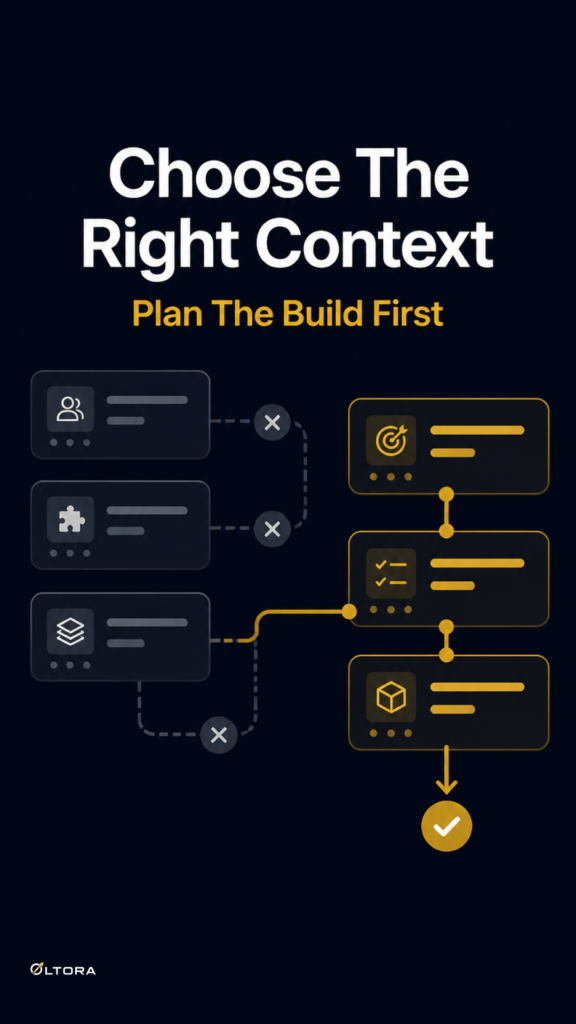
That is the point where custom website development planning needs a clearer first step. Before the build itself, you need a way to sort the features that are required, the deliverables that will actually be handed over, and the timeline expectations that belong to the scope rather than the wish list.
Start with the job the build has to do
A useful project conversation begins with function, not decoration. What should the build help the business do?
- Take bookings or enquiries
- Organize customer workflows
- Present structured information in a better way
- Support an internal process with a web app or platform
That question is more practical than a feature dump. It tells you whether the first version needs a simple landing experience, a custom back office, or something in between. It also keeps optional ideas from crowding out the core work before the scope has even been discussed.
When the goal is clear, a developer can begin separating what belongs in phase one from what can wait. That is where a Custom Development Consultation becomes useful: it gives space to discuss the project before any quote has to pretend the brief is finished.
Features, deliverables, and timelines are three different conversations
These terms are often used as if they mean the same thing. They do not.
Features
Features are the functions the project needs. A login area, a booking form, a product filter, or an admin screen are all features. They describe what the system does.
Deliverables
Deliverables are what you actually receive at the end of the work. That could include a working site, a specific app module, a handoff of code, or documentation. A clear deliverable keeps the project from drifting into “we thought that was included” territory.
Timeline expectations
Timeline expectations are not the same as a promise. They are the realistic order of work. A project with custom integrations, content migration, or multiple workflow steps will not move like a small landing page. If the brief does not say what has to be built first, the timeline will be guesswork.
When these three pieces are separated, the discussion gets sharper. You can decide which features are essential, what the delivery should include, and whether the timing fits the current stage of the business.
Why a custom quote is stronger than a public price here
Fixed public pricing works best when the offer is standardized. Custom work is different. The more the project depends on your current setup, technical constraints, or workflow, the less helpful a generic price becomes.
That does not mean quoting is pointless. It means the quote should follow the scoping conversation, not replace it. A good custom quote reflects the actual shape of the job: what needs to be built, what needs to be reviewed, and what should stay outside the first phase.
For a business with a new digital product idea, that distinction matters. A public price can tell you what something costs in a fixed package. A scoped quote can tell you what your specific project is likely to involve once the requirements are understood.
What to bring to the first discussion
You do not need a polished specification to make the consultation worthwhile. You do need enough context to make the conversation concrete.
- The main problem the build should solve
- Any existing website or platform that may be part of the review
- The most important features you already know you need
- Anything that would make the project succeed or fail early
- Questions about delivery, timing, or technical approach
That kind of preparation helps the consultation stay focused on real decisions instead of broad assumptions. It also makes it easier to hear where the scope is still open, where the timeline depends on a dependency, and where a feature may belong in a later phase.
If the project still feels too undefined for a normal quote, the consultation exists for exactly that gap. It is a paid step that is meant to understand the work, scope it properly, and follow up with a project quote based on specifics rather than a guess.
How to judge whether the brief is ready for pricing
A brief is usually ready for pricing when you can answer three questions plainly:
- What problem is this build solving?
- What is included in the first version?
- What outcome should the delivery support at launch?
If those answers still shift every time you explain the idea, the project probably needs a better scoping conversation before pricing. That is not a setback. It is the point where the work can still be shaped efficiently.
Once features, deliverables, and timeline expectations are clearer, a quote has a real foundation. And when the project is still at the “we know the goal, but not the shape” stage, a consultation can prevent the most common problem in custom development: paying for certainty before the scope has earned it.