
SEO & Link Building
When anchor text and link types start to repeat
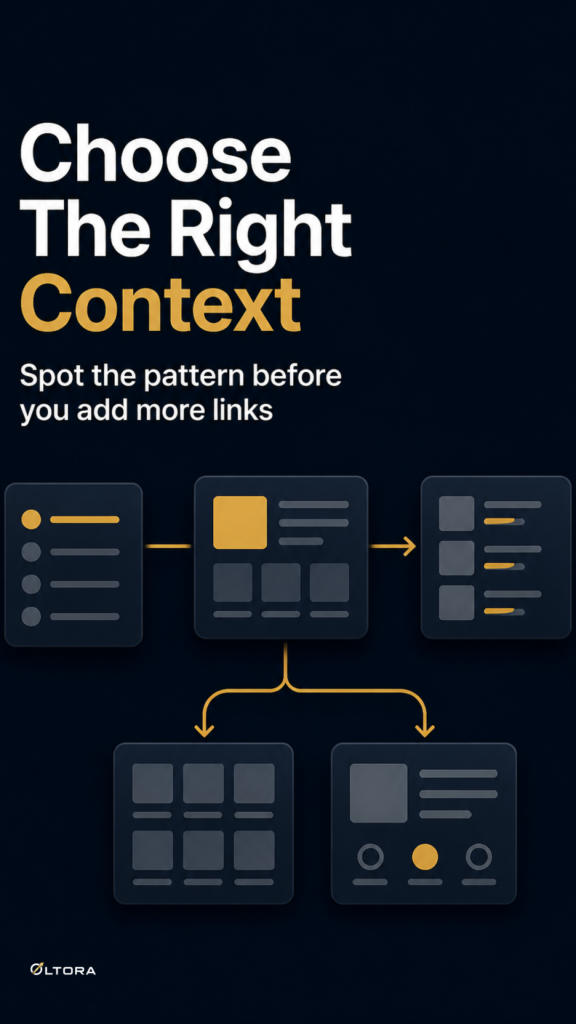
Sep
The problem starts when variety is only visible on paper
A store owner can collect a healthy-looking set of backlinks and still end up with a profile that feels narrow. The links may come from relevant websites. The content around them may be legitimate. Yet if every mention uses the same kind of wording, supports the same page, and appears in the same kind of context, the overall pattern can start to look mechanical.
That is the failure mode many e-commerce sites run into after the first round of outreach. The individual links are not the issue. The structure is. Search engines and readers both see more than one signal at once: where the link appears, what the anchor says, and which destination it supports. When those pieces all repeat the same way, the profile stops reading like a set of editorial references and starts reading like a template.
E-Commerce Growth — SEO & Backlink Service for Online Stores is built for Etsy shops, Shopify stores, and WooCommerce websites that need relevance-based placements on real websites.
Think of the link profile as three separate parts
To judge whether your backlink mix is becoming repetitive, it helps to separate the parts that often get lumped together.
- Anchor text is the clickable wording.
- Placement type is the shape of the mention: a contextual reference inside content, not a directory entry or a bare listing.
- Destination page is the URL receiving the link.
When a store owner only thinks in terms of “more backlinks,” these parts blur together. But each one carries a different job. Anchor text helps the reader understand what the link is about. Placement type tells you whether the reference feels like part of a real article. Destination choice decides whether all that attention lands on one URL or spreads across the store in a sensible way.
The risk is not that these parts repeat once. The risk is that they repeat together. If the same product page keeps receiving the same phrase from the same kind of context, the profile can look over-shaped even when every placement is technically relevant.
Where repetition usually shows up first
Most store owners notice the problem only after a few links are live. The profile may look fine at a glance, but the pattern becomes obvious when you read the placements side by side.
1. The anchor keeps saying the same thing
Exact repetition is the easiest pattern to spot. A repeated phrase can happen when the target page is clear and the outreach is efficient, but it becomes limiting if every reference sounds copied from the last one. A natural profile usually needs some variation in wording so the links do not all announce the destination in the same tone.
2. Every link points to the same page
Sometimes the destination is the real bottleneck. A homepage can be part of the mix, but if every backlink lands there, product or category pages never get their own signal. That can leave a store with broad visibility but weak support where buying intent is strongest.
3. The context never changes
A mention inside a product roundup reads differently from a mention in an educational article or niche resource page. If every placement appears in one style of page, the profile can look narrower than the store intended, even if the websites themselves are relevant.
What to preserve when you vary the mix
Variation is useful only if it preserves the things that make the link worth having in the first place. That means relevance has to stay intact. A mixed profile should still make sense to the reader and fit the niche the store actually operates in.
For an online store, the safest balance is usually this: keep the placements relevant, keep the destination intentional, and vary the wording enough that the references do not sound manufactured. That is why a relevance-based service matters. It gives you room to shape the profile without drifting into random placements that may look diverse but fail to support the store.
The service’s own structure points in that direction: manually researched websites, contextual links in real content, and a mix of link types and anchor text variation. Those three pieces work together. If one piece is missing, the profile can become either too rigid or too loose.
How to review your current backlink mix
If you already have links in place, do a quick audit before adding more outreach. You do not need a technical deep dive. You need to see whether the profile still has room to breathe.
- List the destination URL for each link.
- Write down the anchor text exactly as it appears.
- Note the type of page where the link lives.
- Mark any repeated patterns that appear more than once.
Then ask one practical question: if a stranger looked at the set, would it read as a series of genuine references, or as one repeated instruction with different source domains attached? That question catches more problems than a quick domain count ever will.
If the answer feels too tidy, the next move is not to scatter links across unrelated sites. It is to widen the mix in a controlled way. That may mean varying the anchor wording, supporting a different page on the store, or allowing the link to appear in a different editorial context while staying relevant to the niche.
Why this matters more than generic link-building advice
Online stores tend to over-concentrate backlinks because the commercial page looks like the obvious target. But e-commerce pages have different jobs. A product page, a category page, and a homepage do not need the same kind of external support. When all the links go to one destination, the store can lose the chance to build a cleaner off-page structure around the pages that actually convert.
This is where e-commerce-specific SEO support beats generic link building. A broad SEO service may treat the store like any other site and push links wherever they seem convenient. A store-focused service can keep the profile aligned with the way buyers move: from broad discovery to focused intent to a specific page that answers the search.
That distinction matters after the first few placements. Once a profile starts to grow, the real decision is not simply whether the links are relevant. It is whether the mix still looks like something a real editor would assemble over time.
A better goal than perfect symmetry
Store owners sometimes try to make the profile look neat. That instinct is understandable, but neatness can become a trap. A backlink profile does not need perfect symmetry. It needs believable variation.
Believable variation keeps the core state intact: relevance, editorial fit, and clear destination choice. It lets the profile grow without locking into one phrase, one page, or one placement pattern. And when the time comes to add more outreach, you will have a clearer map of what needs variety and what still deserves to stay consistent.
If you are comparing backlink services for a product niche, that is a useful filter. Ask how the service handles anchor text, how it chooses the destination page, and whether the placements are meant to read like real content references. Those are the decisions that determine whether the profile feels naturally built or just efficiently repeated.