
SEO Strategy
When Outside Mentions Help After Launch
Sep
When the site is ready, but the outside proof is thin
A spiritual or ritual shop can have clear products, thoughtful service pages, and a homepage that explains the offer well. Even then, buyers may hesitate if they cannot find the brand in other relevant places. That hesitation is easy to miss because it does not always look like a content problem. Sometimes the site is fine. What is missing is a wider trail of mentions, references, and contextual placements that help people recognize the brand before they return to it.
That is where the External Visibility SEO Service for Spiritual & Ritual Shops fits. It is meant for businesses that already have something worth finding, but need a more complete external presence around it. The work is manual and selective: relevant websites, brand mention opportunities, and natural placement options rather than mass submissions or noisy link chasing.
The objection: if the site already explains everything, why look elsewhere?
That is a fair question. Many owners assume the homepage, product pages, or services pages should do all the heavy lifting. They can explain the offer, answer the basics, and invite the next step. But they cannot create outside confirmation on their own.
For a niche metaphysical brand, that outside confirmation matters because the decision is not always only about the page in front of the buyer. People often want to know whether the brand appears in relevant places, whether the business looks established, and whether there is a sensible path from the wider web back to the page they are considering. A good site can still feel isolated if nothing points toward it from trusted, related contexts.
External visibility addresses that gap. It does not replace the site. It gives the site a more usable place in the broader web.
What outside mentions can actually support
Done well, external mentions can help in three practical ways:
- Discovery: people may find the brand from relevant websites instead of only from direct search.
- Trust: a contextual mention can make the business feel less like a standalone page and more like a real presence.
- Referral visibility: a mention can send visitors toward the specific page that deserves attention, rather than leaving the brand name floating without context.
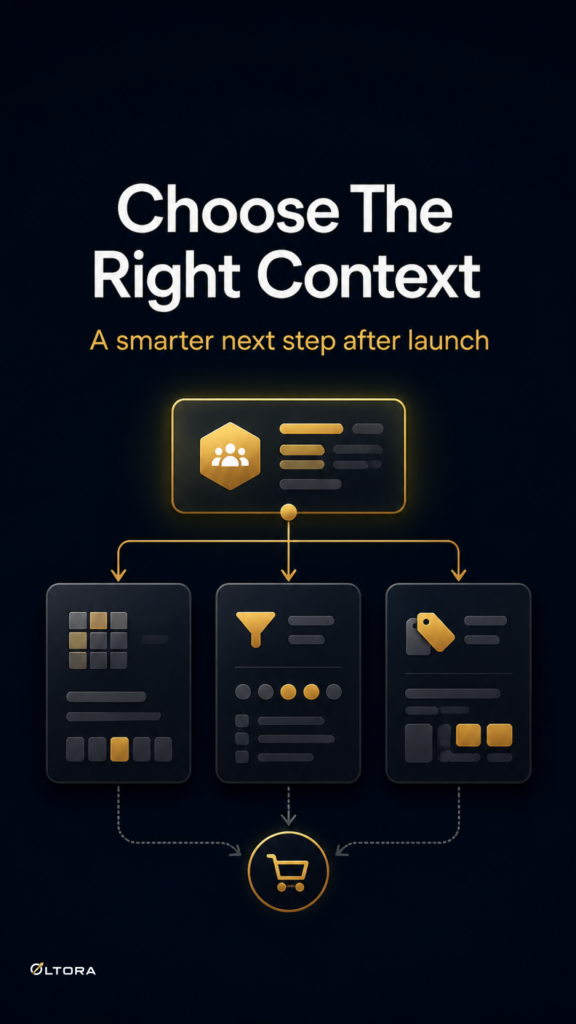
This is why page choice matters. The goal is not to scatter mentions randomly. It is to decide which page should benefit most. For one business, that may be the homepage. For another, it may be a services page, a product page, or a collection that already represents the offer clearly.
When the destination is chosen carefully, the mention has a purpose. It supports one page instead of vaguely “building awareness” in the abstract.
Why manual research is the safer path
There is a big difference between thoughtful outreach and automated promotion. Manual research lets you filter for relevance, context, and fit. That matters in a space where credibility is part of the buying decision.
The service description is explicit about what it avoids: no automated spam, no link farms, and no mass-submission shortcuts. That matters because a spiritual or ritual brand often needs a cleaner signal than generic promotional activity can provide. A placement should make sense to a real reader. If it would look forced in the surrounding article, directory, or page, it probably is not the right fit.
Manual research also helps keep the work aligned with the page you actually want people to reach. A homepage might suit broad brand mention work. A product or collection page may be a better target when the offer is specific and already easy to understand.
What this service is trying to solve after launch
This is not about fixing a broken website. It is about what happens after the main site is already live and the owner wants a fuller footprint around it. A shop may be published, but still feel under-represented outside its own pages. That can make discovery uneven and trust slower than it should be.
In that situation, the question shifts from “Do I need more content?” to “Which external signals would make this offer easier to recognize?” That is a more useful question after launch because it treats the site as established and asks what surrounding proof is missing.
For some businesses, the answer will be a few relevant mentions that point back to one important page. For others, the next move may be a broader review of where the brand could appear naturally across the web. The service is designed to identify those opportunities rather than force a one-size-fits-all pattern.
What a practical next step looks like
If your site already feels complete but still lacks outside context, start by choosing the page that deserves more attention. Ask a simple question: which page would be most useful if a reader discovered the brand from somewhere else? That page should be able to explain itself quickly and make the mention feel earned.
Then look at the external side of the equation. Where could your brand be mentioned in a way that fits the subject, the audience, and the page you want to support? That is the point of the service: to research relevant opportunities manually and keep the work anchored to real context, not volume.
For spiritual and ritual shops, that approach can be more useful than adding another post that never gets referenced outside the site. It gives the brand a better chance to be noticed in the places buyers already trust.
If the site is ready and the wider web still feels quiet, external visibility is the missing layer worth checking next.